
Building Resilience Against Storm and Grid-Related Water Failures
Ever notice how water feels invisible until the moment it is not there, the tap twists, nothing happens, and concern sets in fast. Communities rely on water every minute of the day, yet the systems behind it tend to fade into the background. That calm disappears during severe weather, when power lines fall and substations go dark. In those moments, water systems that shut down during storms and grid failures quickly remind everyone how closely water and electricity are tied. Pumps stall, pressure drops, and uncertainty spreads. The issue is not poor planning or neglect, it is simply how modern water infrastructure works, efficient and reliable under normal conditions, but exposed when the grid falters.
Water systems depend on electric pumps, sensors, and automated controls to move, treat, and distribute water safely. When the power goes out, those systems lose the force that keeps water moving through miles of pipe. Pressure loss is often the first warning sign, and it opens the door to other problems. Damaged pipes can pull in contaminants from the surrounding soil, and older infrastructure may crack or burst under stress. Short outages can be absorbed with stored water, elevated tanks, or limited reserves, but those buffers are temporary by design. Once reserves run low, treatment stops, pumps remain silent, and safe water access becomes a serious concern rather than an inconvenience.
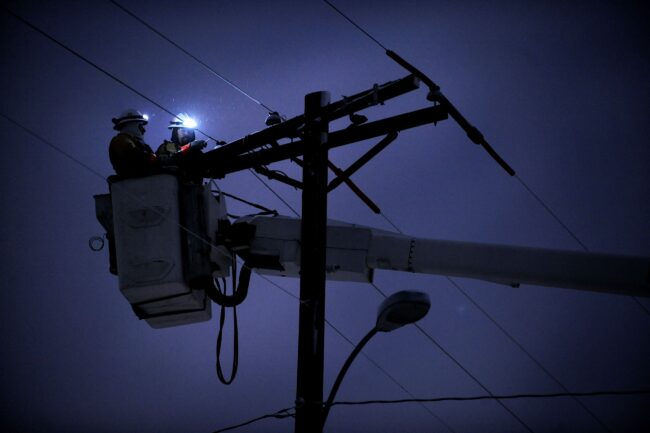
Extended outages raise the stakes even higher. Without continuous treatment and circulation, water quality can decline rapidly. Boil advisories become common, hospitals and emergency services face added strain, and everyday life slows down in uncomfortable ways. The risk is not just about comfort, it is about health, sanitation, and trust in essential services. Communities often assume that water will keep flowing no matter what, yet storms and grid disruptions continue to challenge that assumption. This is where preparation makes a real difference, not through complex redesigns, but through practical resilience planning that acknowledges how fragile the power connection can be.
A well-designed generator system changes the equation. Not all generators are created equal, especially for water treatment applications. Pumps draw high motor start up loads, control systems require stable power, and operations may need to run continuously for days. A generator sized for lights and offices will not carry a treatment plant through an outage. Systems built specifically for water infrastructure can support critical pump networks, maintain pressure, and allow treatment processes to continue safely. Reliable standby power turns a potential shutdown into a manageable event, keeping service steady while crews focus on repairs and recovery.
Resilience is not about expecting storms, it is about respecting reality. Severe weather and grid failures are becoming more frequent, and preparation is no longer optional. Communities that invest in proper standby power protect more than pipes and pumps; they protect public health and confidence. When water systems that shut down during storms and grid failures are supported by generators designed for the job, the story changes from disruption to continuity. Clean water keeps flowing, risks stay contained, and recovery feels less like damage control and more like a planned response. That peace of mind is hard to quantify, but easy to appreciate when the lights go out and the tap still works.