
Navigating the Oxygen Tank Sizes Chart for Bulk Orders
In industries where a consistent and reliable supply of oxygen is essential, understanding the nuances of oxygen tank sizes becomes a strategic imperative. The use of an oxygen tank sizes chart is instrumental, particularly when considering bulk orders. This chart serves as a comprehensive guide, outlining the dimensions and capacities of various oxygen tanks, empowering businesses to make informed decisions that align with their specific requirements. You can take a look at this oxygen tanks sizes chart before making an order.
When contemplating a bulk order of oxygen tanks, the first step is to thoroughly study the oxygen tank sizes chart provided by the supplier. These charts typically detail the dimensions, capacities, and intended applications for each tank size. By delving into this information, businesses can assess their oxygen consumption patterns, production demands, and storage capabilities to identify the most suitable tank sizes for their operations.
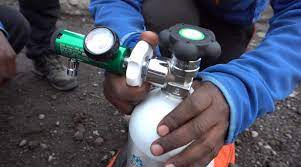
A nuanced approach to utilizing the oxygen tank sizes chart involves strategic procurement. It’s not merely about selecting the largest tanks available; rather, it’s about matching the tank sizes to the specific needs of the business. For high-demand industries, larger oxygen tanks may be advantageous, ensuring a continuous and ample supply without frequent replacements. Conversely, businesses with fluctuating oxygen requirements might find a combination of smaller and larger tanks to be more adaptable and cost-effective.
Consideration of space and logistics is also pivotal in the bulk ordering process. The oxygen tank sizes chart aids businesses in estimating the physical footprint of the tanks and planning storage arrangements accordingly. This proactive approach ensures that the bulk order not only meets oxygen demands but is also seamlessly integrated into the operational infrastructure.
By delving into the details provided in the chart and aligning them with the unique demands of their operations, businesses can optimize their oxygen supply chain. This not only contributes to operational efficiency but also ensures a reliable and uninterrupted source of oxygen, a critical component in industries where precision and consistency are paramount.